League Trophy Shop · buyer guide
Traveling fantasy trophies versus annual keeper plaques
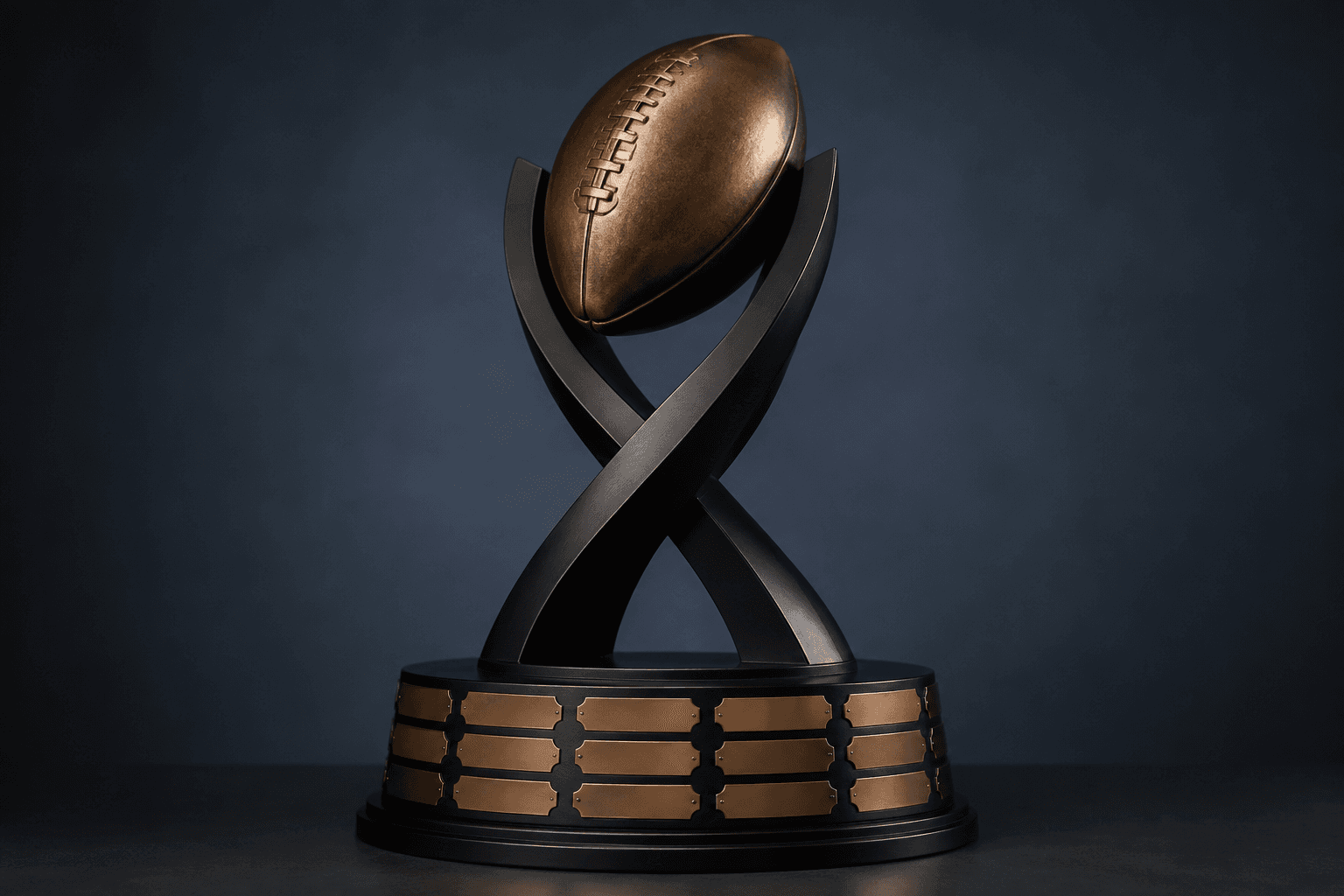
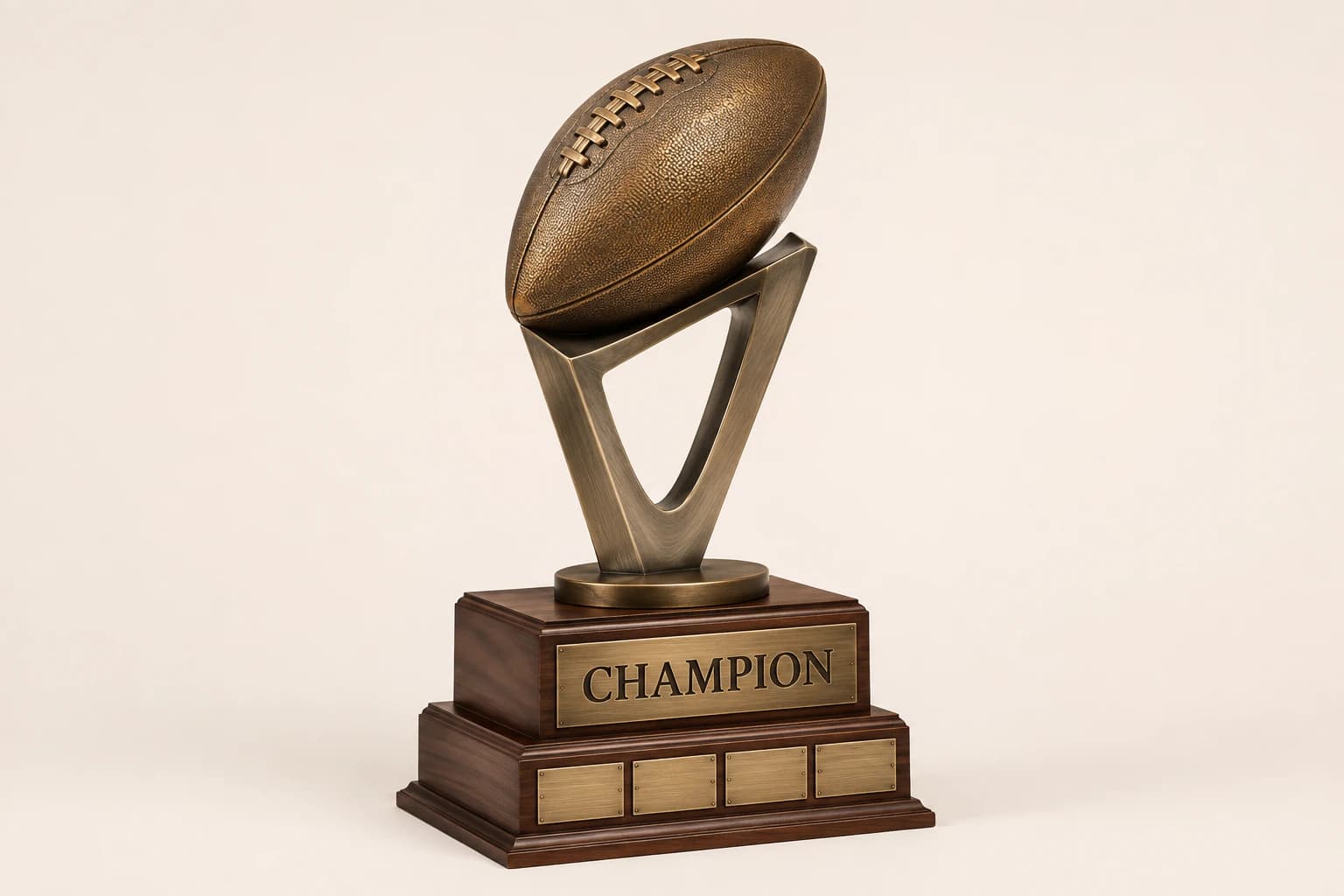
For a worldwide League Trophy Shop league order, choose a traveling trophy when the league wants one shared championship object with continuing custody. Choose annual keepers when each winner should retain a personal record. A combined program can provide both, but the existing trophy, new history work and personal purchases need separate counts.
Reviewed 2026-09-05 · AI-assisted editorial review. General buying guidance; illustrative scenarios are not customer case studies. Images are AI-generated concepts.
Who owns the traveling fantasy trophy?
A traveling trophy needs an owner distinct from its current holder. The league may own the object while the champion borrows it for a season. Write that arrangement in the league's award rules, together with the return point and the person who coordinates transfer. This prevents a future commissioner from discovering that one winner believed the trophy was theirs permanently.
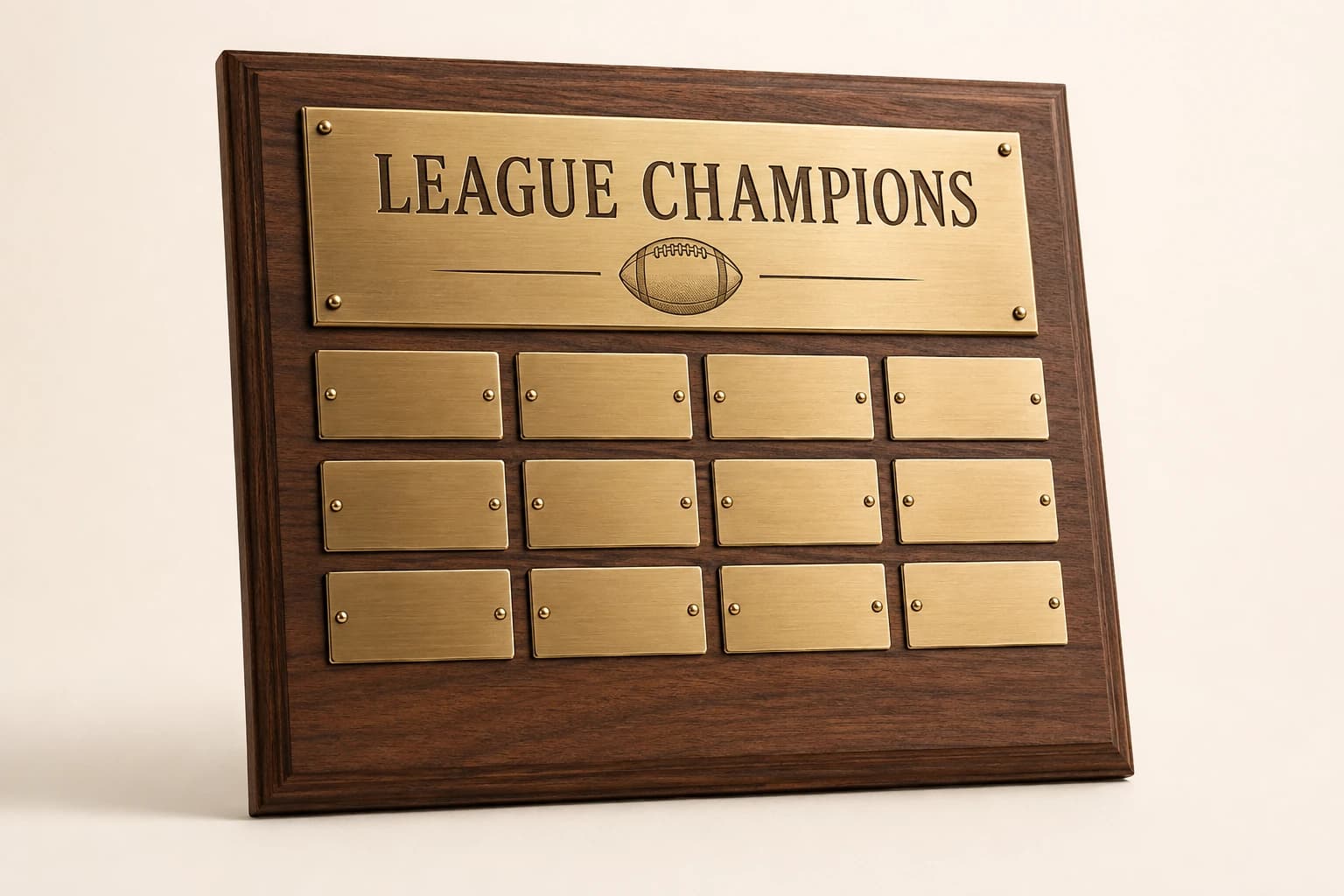
A keeper plaque makes the ownership simpler: the recipient retains it. The league still needs to decide whether it recognizes the manager, a jointly managed team or the team identity itself. A co-managed championship may require two personal keepers even when the traveling trophy has one historical entry. Set those rules before the season's result creates pressure to improvise.
What should the league’s annual history record?
The traveling base might record the season and winning team, the manager's name or a combination. Select a convention that the league can apply consistently and that leaves enough room for future entries. A team name that changes every week is a poor historical identifier unless the league chooses the exact version it wants to preserve.
Keep a separate league archive of approved winners and inscriptions. The trophy should not be the only source of the championship history. If it is lost or an old plate becomes unreadable, the commissioner needs a verified record rather than guesses drawn from social media photographs. Use the same historical source when preparing the keeper so the two objects agree.
Which costs belong to the first year and later seasons?
A first-year traveling trophy purchase and a later annual keeper order are different costs. Ask for the actual quote for each scope, including any history plate, requested personalization, packing and delivery. Do not assume that future engraving or transfers are included because a listing describes a trophy as perpetual.
For an internal budget, choose one currency and record any assumptions clearly. The league may fund the initial object from a one-time contribution and annual keepers from recurring dues, but that is a league decision to approve before collection. Avoid making a large first purchase that leaves no agreed budget for the routine transfer and winner update that keep the tradition functioning.
How does a champion in another city receive the trophy?
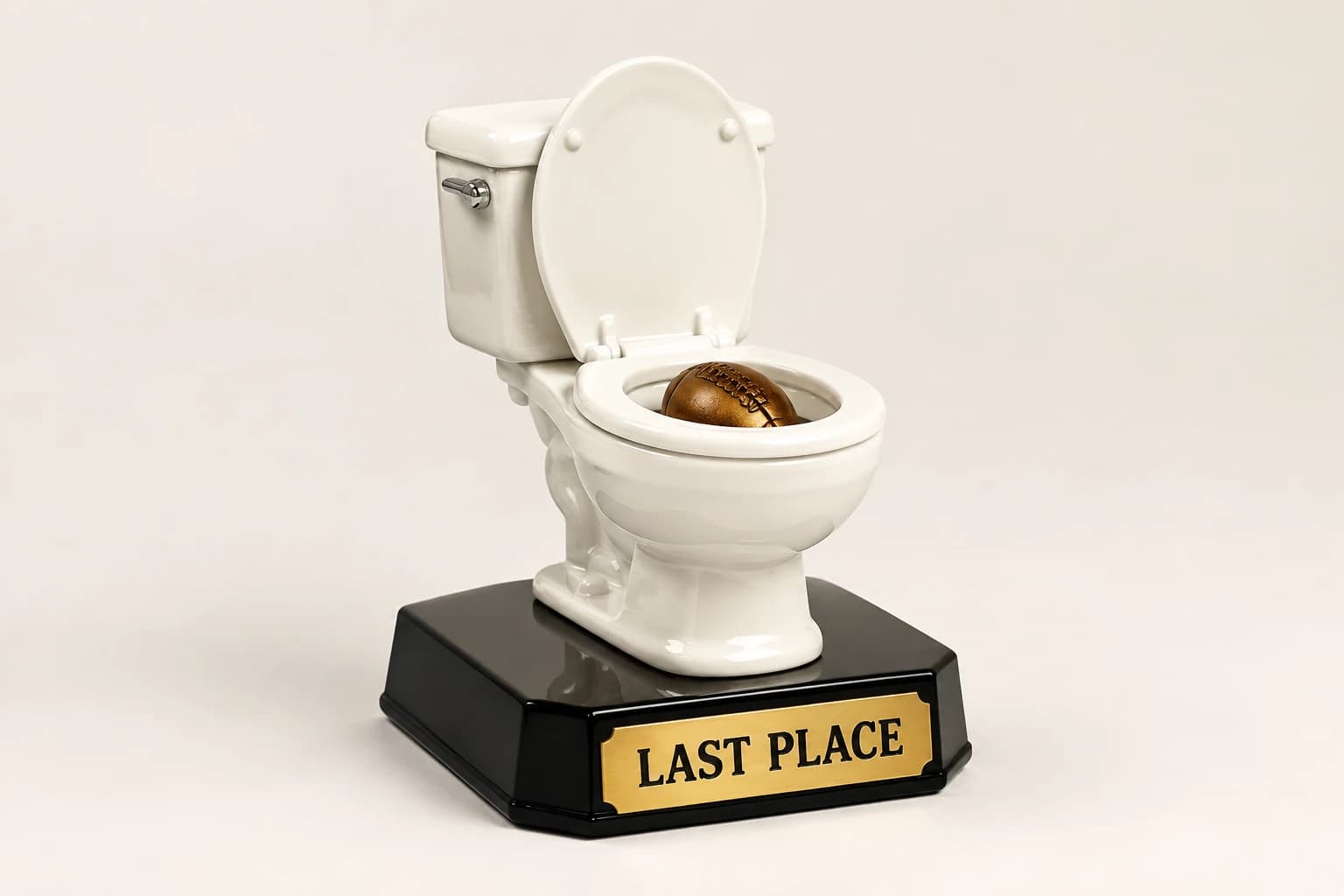
A distributed league needs a transfer process that works without everyone attending the next draft. Confirm the current holder's location, the next recipient's availability and who pays the agreed shipping cost. Keep those private details in the handoff record rather than engraving them into the history base.
Ask how the actual trophy should be packed and which components may be removed if any. Do not infer safe disassembly from a decorative seam. A keeper can be sent directly to its owner, while the traveling object may follow a different route for an update. Those are separate shipments and should be represented separately in the quote and schedule.
Count annual keepers and traveling-trophy updates
The fictional league already owns its traveling trophy and orders one keeper plus one history plate. The new purchase contains two pieces, while the shared trophy remains existing inventory. If the league approves two co-manager keepers, the new-piece total becomes three without creating another championship or another traveling trophy.
Method: Multiply units by pieces per unit, then add separately entered categories and explicitly chosen spares. No eligibility or spare allowance is inferred.
Build your plan
Set spares yourself. This calculates the quantities you enter; it does not assume a recommended buffer.
Use the article’s example files
Sample rows are fictional planning examples. Replace them with authorized information and retain the approval references privately; this file is not a production release.
Should the traveling trophy attend the next draft?
Some leagues want the shared trophy present at their draft or annual gathering even when a new champion already holds it. Define that expectation before choosing a design that requires difficult transport. The holder should know whether custody includes bringing it back for events or simply transferring it at season end.
If the league gathers rarely, a club-style retained display at a commissioner's office may not serve the group equally. Compare a traveling arrangement with personal keepers and a privately shared history record. The decision should reflect how members actually interact, not a photograph of an elaborate presentation that the league has no plans to repeat.
What makes a keeper meaningful outside the league?
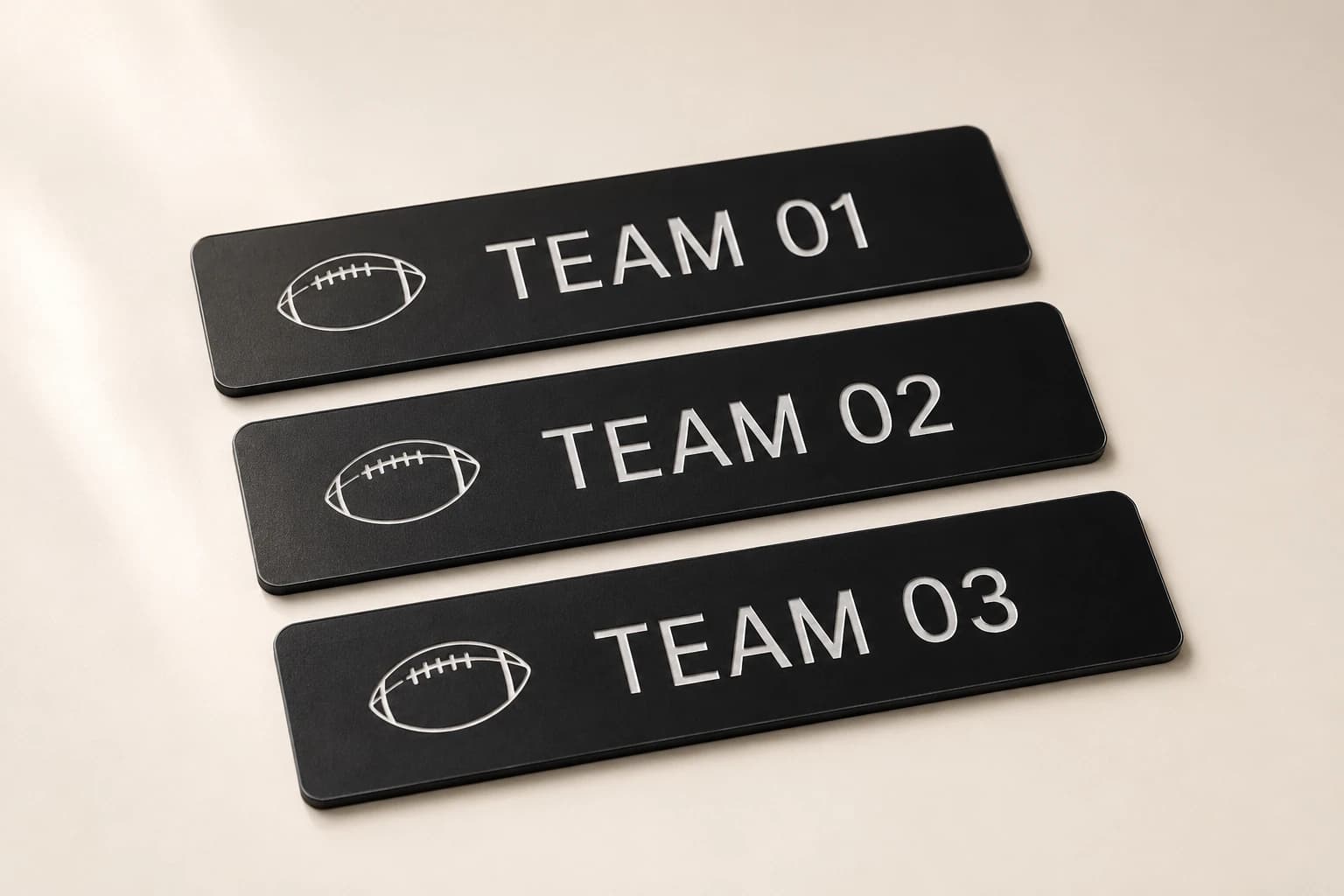
An annual keeper should explain itself without the traveling trophy nearby. The league name, season, achievement and approved manager or team identity usually provide the essential context. A joke can add personality, but it should not replace the historical information entirely if the recipient wants a lasting championship record.
Review a long team name on the proposed keeper layout. A wide history plate and a compact personal plaque may need different line breaks even when their wording agrees. Ask for each actual proof rather than assuming the shared trophy approval covers the keeper. If the manager prefers a public name different from their account username, obtain the exact approved display string.
TrophySmack lists fantasy trophies, plaques and engraving products.
How do repeat champions and co-managers change the order?
A repeat champion still wins a distinct season. If the league gives an annual keeper, issue a new keeper with that season's approved wording unless its rules explicitly say otherwise. The traveling trophy may remain physically with the same person, but its history update still needs an owner and completion step.
For joint managers, decide whether personal recognition is per team or per person. One shared keeper may be appropriate if both agree, but it should not be the accidental outcome of a form that allowed only one contact name. When two personal pieces are approved, preserve their relationship to the single team championship in the roster and quantity calculation.
What should the trophy transfer record contain?
Use a short record containing the current holder, next holder, approved season entry, condition check and agreed transfer completion. Keep personal contact information only where authorized members need it. A long legalistic document may be ignored; a clear, practical handoff record helps the next commissioner continue the arrangement without reconstructing earlier chats.
Photograph the trophy's condition and history entries at the transfer point for the league's own archive. This is documentation, not public promotional evidence. If a component needs attention, ask for a specific repair proposal before handing the object over as complete. The new holder should receive the agreed item and any packing instructions retained for the following season.
What if the trophy cannot travel as planned?
If the current holder cannot locate or return the trophy before the presentation, separate the ceremony decision from the long-term recovery decision. The league can recognize the approved champion while it resolves the shared object's location. Do not engrave a replacement history based on memory or order an expensive duplicate without deciding how two future objects would be treated.
A keeper can provide a permanent record even when the traveling tradition pauses, but that does not automatically authorize extra spending. Have the league approve the temporary arrangement and retain the outstanding custody issue. If the group ultimately retires the original trophy, preserve its verified history and explain where the successor starts so members understand the continuity.
How can a league add keeper plaques to an existing tradition?
A league can move from traveling-only recognition to a combined trophy-and-keeper program without pretending the new policy existed in earlier seasons. State when the keeper program starts and whether the league intends to offer any historical pieces. Retrospective keepers are a separate purchase with a separate approved roster.
Do not quietly add every former champion to the new order because the design is now available.
If members want earlier keepers, verify each season's wording and ownership preference from the retained league records. Some teams may have changed managers, and a former member may no longer want the old public name. Resolve those exceptions before quoting a uniform historical batch. The current champion's piece should remain independently identifiable so a long archive project cannot delay the present season's approved recognition.
Use the worksheet's existing-object column to distinguish the shared trophy from new purchases during the transition. A new keeper program adds personal objects; it does not turn every transfer of the old trophy into another purchase. That distinction keeps the league's first transition budget and later recurring budget understandable.
Illustrative example: How do a keeper and a history plate count as two new pieces?
A fictional league awards one annual keeper and orders one new history plate for its existing traveling trophy. The new purchase contains two physical pieces: units 1, each 1, extras 1 and spares 0. The trophy already belongs to the league, so moving it to the next champion does not add a newly purchased object.
If the champion team has two co-managers and the league approves one keeper per manager, the new purchase becomes three pieces: two keepers plus one history plate. There remains only one championship and one traveling object. The worksheet makes those distinctions visible.
Now suppose the champion repeats next season. Physical custody may stay unchanged, but the planned annual keeper and history update are still new work. The commissioner should complete those steps rather than interpreting no shipping required as no award work required.
Which fantasy award tradition fits the league?
Compare traveling-only, keeper-only and combined recognition by ownership, annual updates and what the champion retains. One arrangement may require a recurring transfer while another creates a new personal piece each season. Count the actual new work separately from an existing trophy and agree who will maintain the chosen tradition.
| Option | Useful when | Decision to resolve |
|---|---|---|
| Traveling trophy | Members value one continuing league object. | Ownership, custody, update and transfer responsibilities. |
| Annual keeper | Each champion should retain a permanent season record. | Recipient identity and recurring personalization budget. |
| Traveling trophy plus keepers | Both traditions justify their full recurring workload. | Count new pieces separately from existing trophy movements. |
What should you know before ordering?
Traveling trophies and annual keepers create different obligations after the championship. These answers address recurring quote scope, ownership, co-managers and interrupted transfers. Give League Trophy Shop the approved new-piece list while the league keeps a practical record of its existing object, current holder and the annual history it wants to preserve.
Which costs should we compare for a traveling trophy and keepers?
Compare the complete first purchase with recurring history updates, personal keepers, packing and transfers. Ask League Trophy Shop to quote the actual new work separately from a trophy the league already owns. A smaller current purchase may still require annual coordination, so include that responsibility when choosing the tradition.
Does the champion own a traveling trophy permanently?
Use the league’s approved ownership rule. The league may own the trophy while the champion holds it temporarily, but that arrangement should be stated before purchase. Record the return point and transfer coordinator so a later commissioner does not have to negotiate ownership from conflicting memories of the presentation.
Should two co-managers receive two keeper plaques?
Follow the league’s approved personal-recognition rule. Two co-managers can receive separate keepers while sharing one team championship and one traveling trophy. Count the personal pieces independently and confirm each inscription. Do not duplicate the shared championship object merely because the winning team has more than one manager.
What happens when the same champion wins again?
Custody may stay with the same person, but the approved annual history update and keeper can still be new work. Confirm the new season’s wording and complete those tasks. No shipping required does not necessarily mean no order is needed, and a repeat result should remain distinct in the league record.
Can we add keeper plaques for earlier champions later?
Yes, as a separately approved historical project with verified seasons, recipients and public wording. State when the new program begins and which retrospective pieces are authorized. Do not automatically add every former champion to the current order or let unresolved archive questions delay the present winner’s approved gift.
Sources and scope
The sources below support the cited technical details. The ordering workflows are editorial recommendations. Your project specification, price and schedule are established in the written quote and approved proof.
- TrophySmack: Fantasy Football Trophies · checked 2026-09-05
Which buying guide should you read next?
All buying guidesCompare three league prizes using complete quoted scope, one currency and explicit distribution assumptions, then choose the set that serves the approved recognition categories.
Coordinate the existing trophy’s condition, packing, receiving winner and history update as separate steps, with one clear owner for each transfer.